
Blog
Tile Installation in Wet Areas: Waterproofing Your MA Bathroom for the Long Haul
In Massachusetts, where humidity can fluctuate significantly and homes often experience harsh winters, ensuring your bathroom is properly waterproofed isn’t just a recommendation—it’s a necessity. Without robust waterproofing, even the most beautiful tile installation can eventually fall victim to moisture, leading to costly damage and unhealthy mold growth.
This guide will walk you through why effective bathroom waterproofing is critical for homes in MA, what the process involves, and how professional installation ensures your tiled wet areas remain pristine and protected for years to come. Understanding these steps is key to a successful, long-lasting bathroom renovation.
Ask about our Free In-Home Consultations + Free Estimates* for your project.
Why Bathroom Waterproofing is Essential in Massachusetts Homes
Massachusetts’ climate presents unique challenges for home interiors, especially in moisture-prone areas like bathrooms. From humid summers that can push indoor relative humidity above 70% to cold winters with rapid temperature changes, building materials are constantly tested. This environment creates an ideal breeding ground for moisture-related issues if wet areas are not adequately protected.
The primary goal of effective bathroom waterproofing Massachusetts is to create an impermeable barrier that prevents water from penetrating the walls and subflooring behind your tiles. Without this barrier, water can seep into porous materials, leading to:
- Mold and Mildew Growth: Excess moisture trapped behind tiles can lead to mold, which not only causes unsightly stains and odors but can also pose health risks. The Environmental Protection Agency (EPA) recommends keeping indoor humidity levels between 30% and 50% to prevent mold growth.
- Structural Damage: Prolonged exposure to moisture can rot wooden studs, joists, and subflooring, compromising the structural integrity of your home. This can lead to sagging floors, unstable walls, and costly repairs.
- Pest Infestations: Damp, dark areas behind walls are attractive to pests like termites and carpenter ants, which thrive in moist conditions and can cause further damage.
- Compromised Tile Installation: Water intrusion can weaken the bond between tiles and their substrate, leading to loose, cracked, or falling tiles, undermining the aesthetic and functional value of your investment.
Water damage is a significant concern for homeowners, with the Insurance Information Institute reporting that water damage accounts for over 20% of all homeowner insurance claims nationally. Investing in professional waterproofing upfront is a proactive measure that safeguards your home and health against these potential disasters.
Key Areas for Waterproofing in Your MA Bathroom
When planning for a durable tile installation in your Massachusetts bathroom, identifying and properly waterproofing all critical wet areas is paramount. These are the zones that receive the most direct water exposure and require specialized attention:
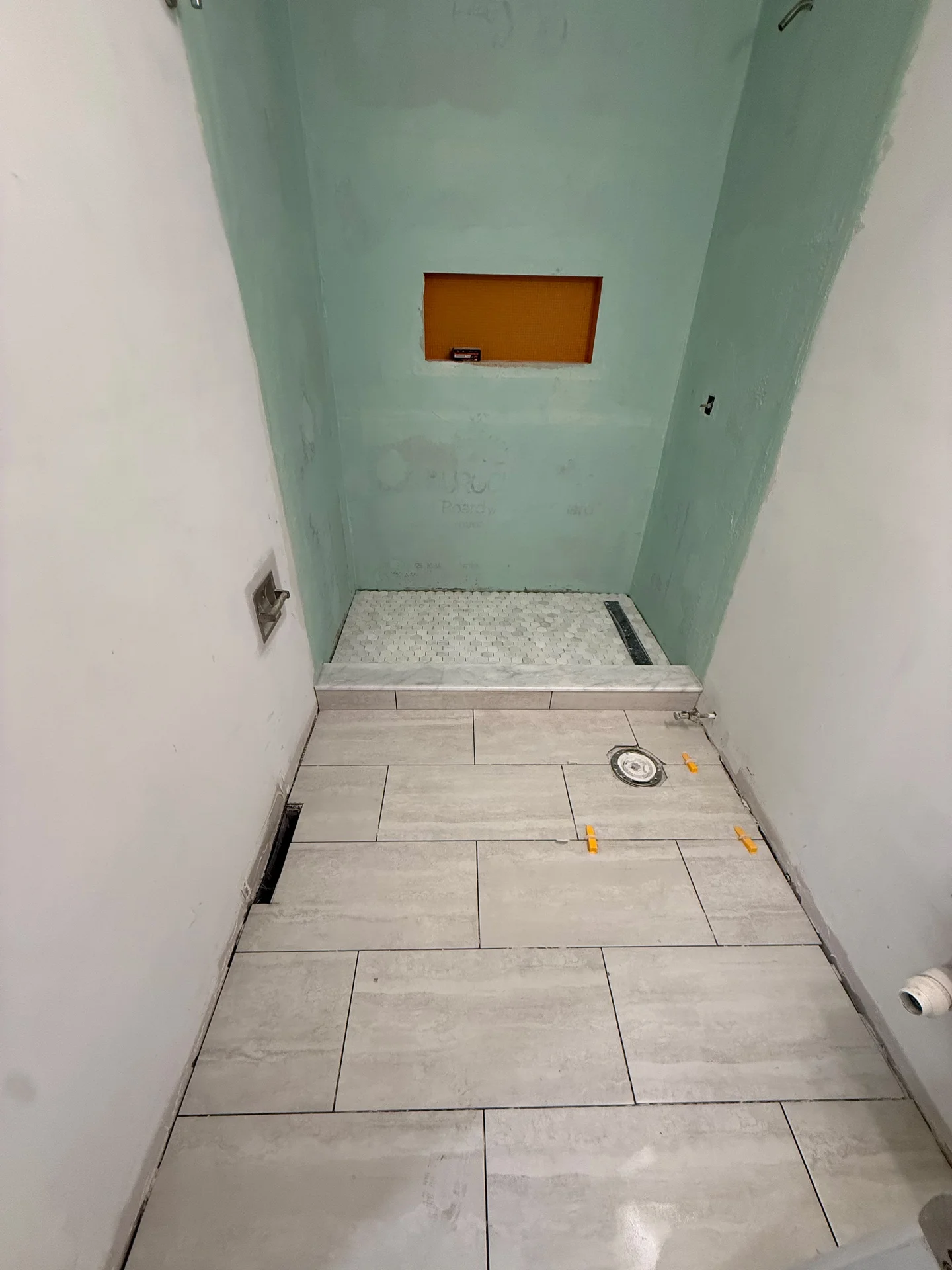
- Shower Walls and Pans: This is arguably the most critical area. Every shower system, whether it’s a walk-in or a tub-shower combination, needs a continuous waterproof membrane on the walls and a sloped, waterproof shower pan to direct water to the drain.
- Bathtub Surrounds: Even if you primarily shower, the walls around your bathtub are constantly exposed to splashes and condensation. A reliable waterproofing system here prevents moisture from seeping into the wall cavity.
- Flooring Around Toilets and Sinks: While not subjected to direct spray, these areas are prone to occasional spills, splashes, and condensation. Extending waterproofing to these floor areas provides an extra layer of protection against unexpected leaks.
- Niches and Benches: Any built-in shower niches or benches must also be fully waterproofed to prevent water from collecting and penetrating the structure. These custom features are often overlooked but are prime areas for water intrusion if not sealed correctly.
Modern waterproofing techniques and materials ensure that these areas are not just water-resistant but truly waterproof. This creates a lasting foundation for your beautiful new tiles.
The Waterproofing Process: What a Professional Does
Achieving truly effective bathroom waterproofing Massachusetts requires meticulous attention to detail and specialized techniques. A professional contractor follows a multi-step process to ensure a watertight seal:
The process begins with thorough substrate preparation. This involves ensuring that all surfaces—walls, floors, and shower pans—are clean, dry, level, and free of any contaminants. Any damaged or unstable subflooring or wallboard is repaired or replaced to provide a solid foundation.
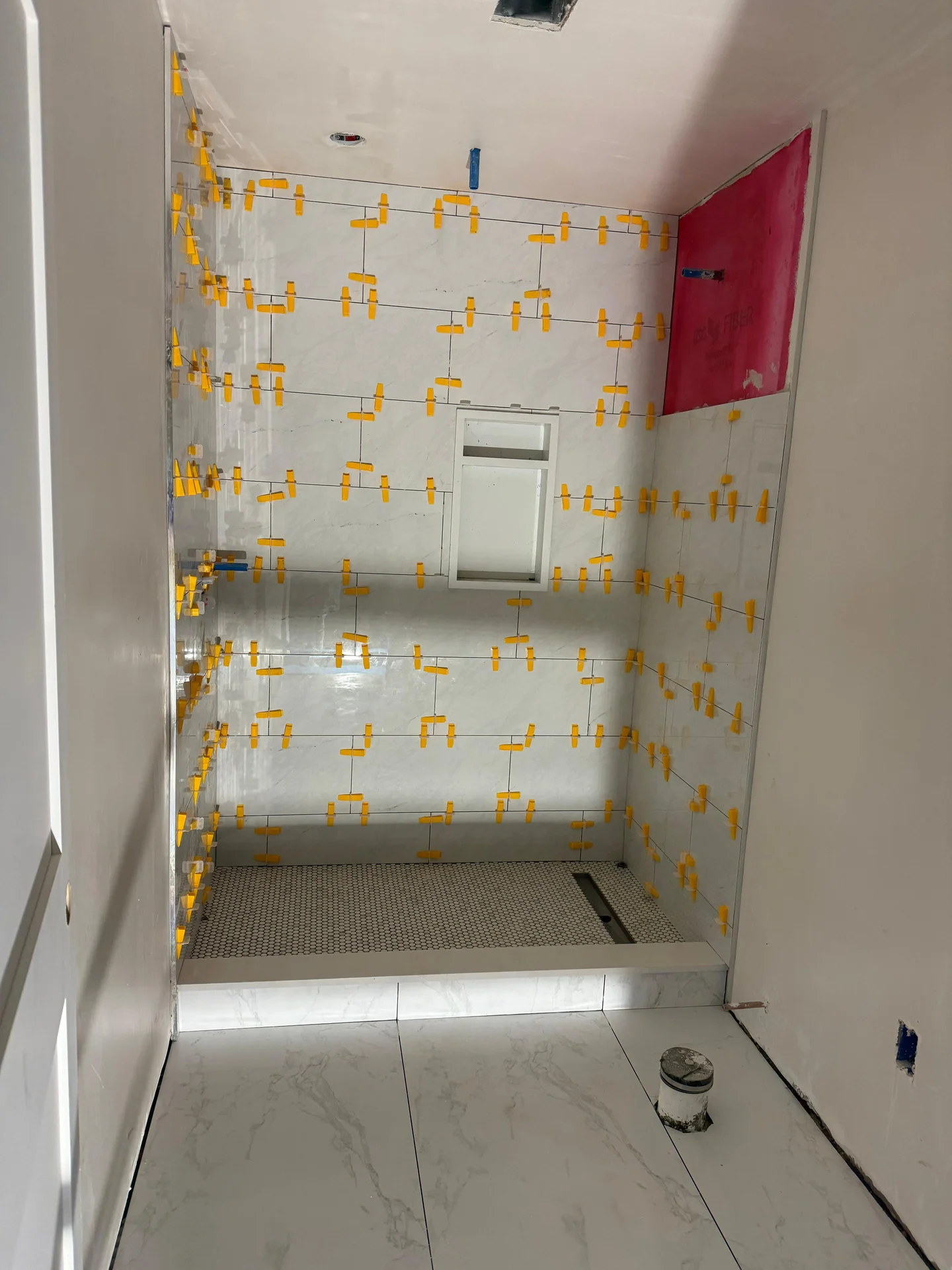
Next, the chosen waterproof membrane is applied. This could be a sheet membrane system, such as those from reputable brands like Schluter-Kerdi, which are fabric-like sheets adhered to the substrate with thin-set mortar. Alternatively, a liquid-applied membrane, a paint-on coating that cures into a seamless, flexible waterproof layer, might be used. Both methods create a continuous barrier.
- Sealing Seams and Corners: This is a critical step. All seams, corners, and penetrations (like shower valve openings or drain connections) are meticulously sealed with specialized tapes, sealants, or additional membrane layers to prevent any water bypass.
- Flood Testing (for shower pans): For shower pans, a flood test is often performed. This involves plugging the drain and filling the shower pan with water for at least 24 hours to ensure there are no leaks before any tile is laid. This crucial step verifies the integrity of the waterproofing system.
- Tile Installation: Only once the waterproofing is complete and fully cured can the tile installation begin. Tiles are set with appropriate thin-set mortar, ensuring full coverage and proper adhesion to the waterproofed substrate.
- Grouting and Caulking: The final steps involve grouting the tiles and then applying flexible caulk at all changes of plane (e.g., where walls meet floors, or where the shower pan meets the wall). Grout is water-resistant, but caulk provides the necessary flexibility and watertight seal in areas prone to movement.
By adhering to these rigorous steps, licensed and insured professionals like SF Construction ensure that your bathroom’s wet areas are not just beautiful, but also completely protected against water damage.
Choosing the Right Waterproofing System for Your Massachusetts Home
The market offers several effective waterproofing systems, and selecting the right one depends on factors like your bathroom’s specific layout, existing conditions, and budget. For homeowners in Massachusetts, understanding these options can help you make an informed decision for your Marlborough bathroom remodeling project or any other location in the MetroWest area.
The two most common professional-grade systems are:
Sheet Membrane Systems
- Description: These involve applying pre-formed, flexible waterproof sheets (often made of polyethylene or rubberized asphalt) to the wall and floor substrates using a special adhesive or thin-set mortar. Popular brands include Schluter-Kerdi and Wedi.
- Benefits: They offer a highly reliable, consistent thickness of waterproofing. Installation can be quicker than liquid membranes in some cases, and they provide an immediate barrier upon installation. They are also excellent for creating seamless transitions and integrating with specialized drains and shower components.
- Considerations: Requires precise cutting and fitting, and seams must be perfectly sealed. Best installed by experienced professionals to ensure continuity.
Liquid-Applied Membranes
- Description: These are trowel- or roll-on coatings that form a continuous, seamless waterproof layer once cured. They are typically elastomeric, meaning they can stretch and bridge minor cracks in the substrate. Examples include RedGard or Hydro Ban.
- Benefits: Offers excellent flexibility and conforms easily to irregular shapes and complex architectural details. They create a truly monolithic (one-piece) barrier, eliminating seams that could potentially leak.
- Considerations: Requires specific drying and curing times between coats, which can extend project timelines. The thickness of the application must be carefully controlled to ensure adequate waterproofing.
Both systems, when installed correctly by a licensed Massachusetts Home Improvement Contractor (HIC #218024), provide superior protection. The choice often comes down to installer preference, project specifics, and compatibility with other materials. SF Construction can assess your bathroom and recommend the optimal waterproofing solution for your home’s long-term durability.
Beyond Installation: Maintaining Your Waterproofed Bathroom
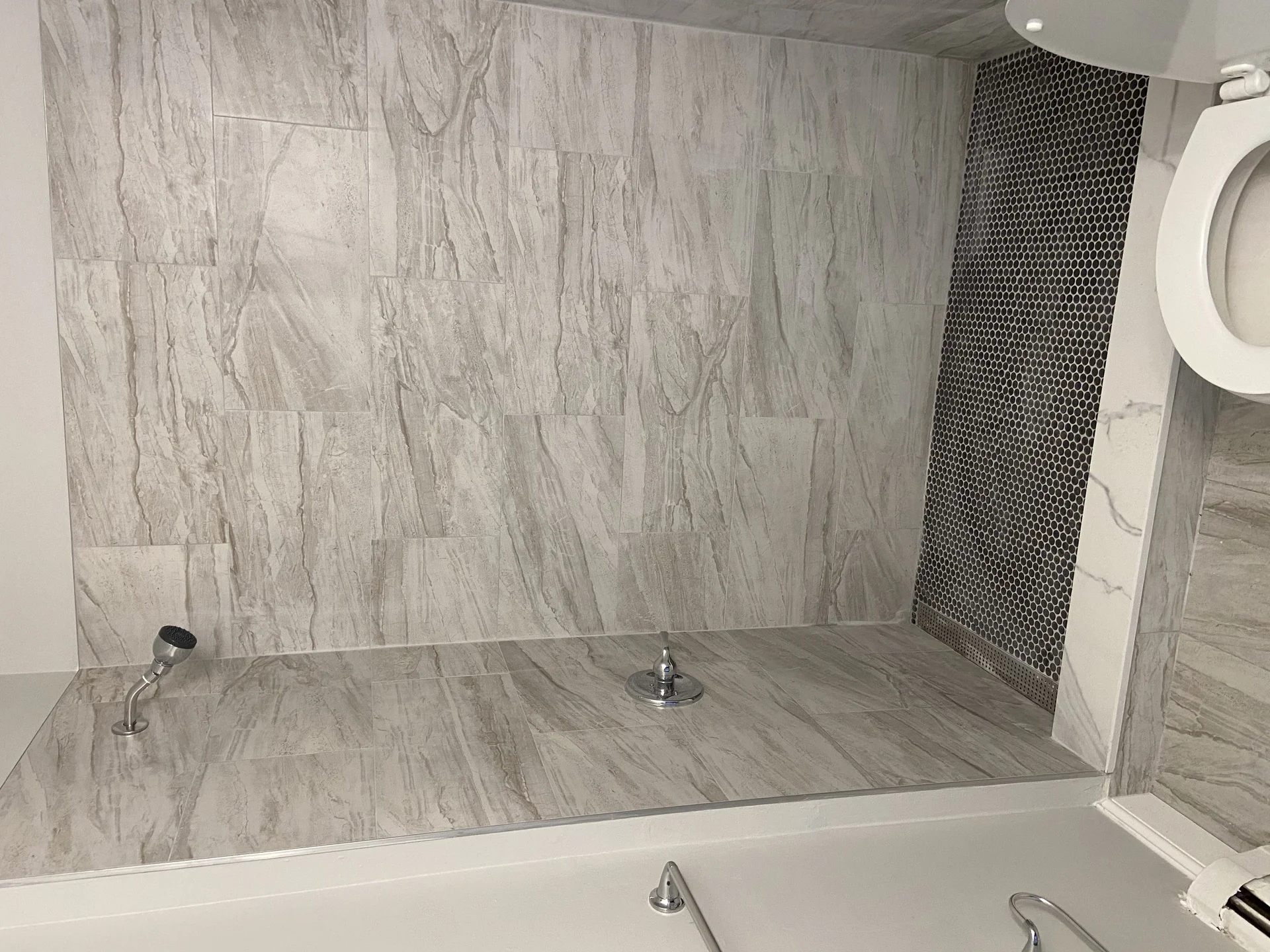
While professional waterproofing provides a robust defense against moisture, ongoing maintenance plays a crucial role in extending the life of your bathroom and preventing future issues. Even the best installation can be compromised over time if not properly cared for.
- Regular Inspection of Grout and Caulk: Grout lines and caulk seals are the first line of defense against surface moisture. Inspect them regularly for cracks, discoloration, or signs of deterioration. Re-grout or re-caulk as needed, especially in high-traffic areas or where movement is common.
- Ensure Proper Ventilation: Good airflow is essential for drying out wet surfaces and preventing humidity buildup. Always use your bathroom exhaust fan during and after showers for at least 15-20 minutes. If you don’t have an effective fan, consider upgrading it.
- Promptly Address Leaks: Don’t ignore dripping faucets, leaky showerheads, or running toilets. Even small, constant leaks can undermine waterproofing over time and lead to significant damage. Repair them immediately.
- Use Appropriate Cleaning Products: Avoid harsh, abrasive cleaners that can degrade grout and caulk. Use pH-neutral cleaners and soft cloths or sponges to clean your tiles and surfaces, preserving their integrity and appearance.
By following these simple maintenance tips, you can significantly prolong the life of your waterproofing system and keep your Massachusetts bathroom looking and performing its best for many years.
We offer Free In-Home Consultations + Free Estimates* for homeowners throughout MetroWest MA.
FAQ
Common questions about bathroom waterproofing and tile installation in Massachusetts homes.
Why is bathroom waterproofing so important in Massachusetts?
Massachusetts’ climate, with its fluctuating humidity and temperature extremes, makes homes susceptible to moisture damage. Proper waterproofing prevents water from seeping behind tiles, protecting against mold, structural decay, and costly repairs in wet areas like showers and tub surrounds.
What areas of a bathroom need to be waterproofed?
Critical areas include all shower walls and floors, bathtub surrounds, and the flooring immediately surrounding toilets and sinks. Any built-in features like shower niches or benches also require thorough waterproofing to ensure comprehensive protection.
What types of waterproofing systems do professionals use?
Professionals typically use either sheet membrane systems (like Schluter-Kerdi) or liquid-applied membranes (like RedGard). Both create a continuous, impermeable barrier when installed correctly, each with its own benefits depending on the project.
How can I tell if my existing bathroom is properly waterproofed?
Signs of inadequate waterproofing include peeling paint, warped baseboards, swollen grout, persistent mildew, or a musty odor, especially around showers or tubs. If you suspect an issue, it’s best to consult a professional for an inspection.
Are you a licensed and insured contractor for bathroom waterproofing in Massachusetts?
Yes, SF Construction is a fully licensed Massachusetts Home Improvement Contractor (HIC #218024) and is insured. We adhere to all state regulations and industry best practices to ensure high-quality, reliable, and safe construction work.
Does waterproofing prevent all mold growth in a bathroom?
Effective waterproofing prevents mold growth behind walls and under floors by blocking moisture intrusion. However, surface mold can still occur on grout or caulk due to humidity and lack of ventilation. Regular cleaning and good airflow are crucial for surface mold prevention.
Explore Our Services and Related Posts
- Professional Bathroom Remodeling Services
- Expert Tile Installation
- Finding the Right Bathroom Floor Installation
- Luxury Bathroom Remodel Guide
- Best Time to Renovate Your Bathroom in New England
Ready for a Waterproofed Bathroom in Massachusetts?
Don’t let moisture compromise the beauty and integrity of your home. If you’re planning a new tile installation or a complete bathroom renovation, ensuring robust bathroom waterproofing Massachusetts is the smartest investment you can make. SF Construction is a licensed and insured Massachusetts Home Improvement Contractor committed to delivering durable, high-quality results. Contact us today for a professional assessment and to discuss your project.
Prefer to call directly? +1 (508) 244-4747